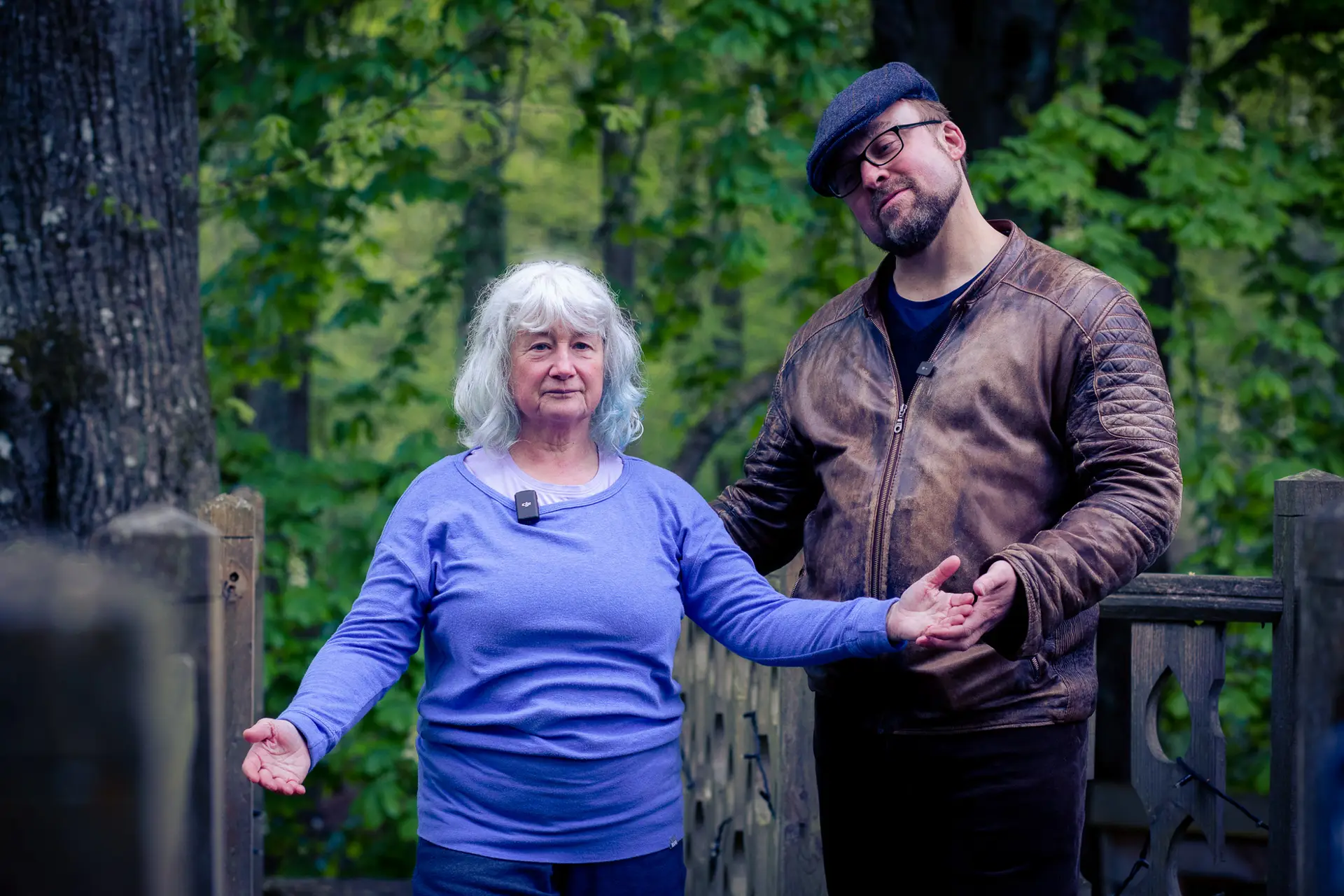
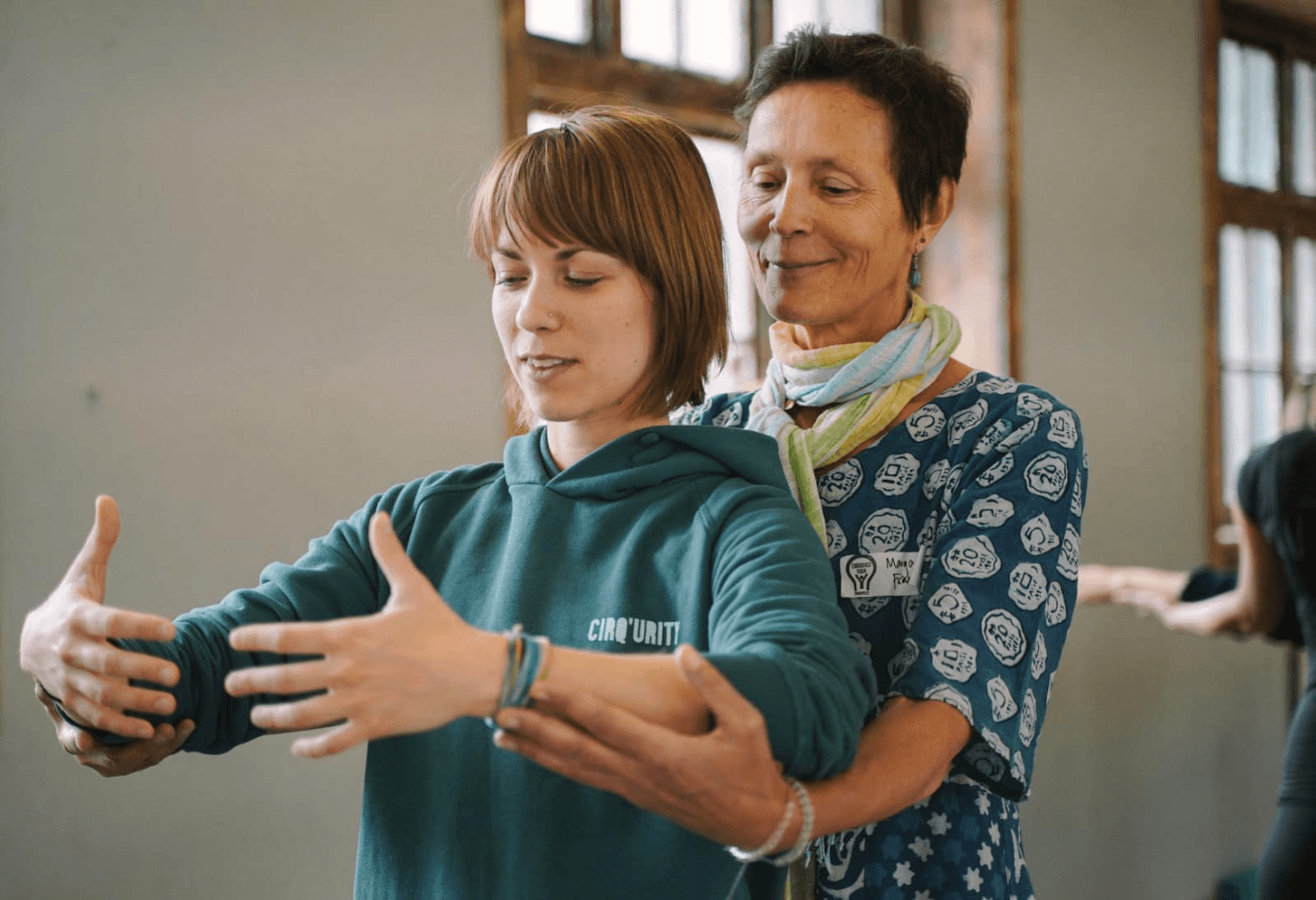
3-month live training for coaches, therapists & facilitators

Trauma Coaching Certification

Learn embodied tools to work safely and effectively with trauma in your coaching and facilitation.

What this training gives you

If you coach, facilitate, teach or therapeutically support humans, you’re already bumping into trauma. This live online training gives you the embodied skills, clear maps and ethical boundaries you need to work with it safely without burning out.

  • Feel confident – not anxious – when trauma themes show up
  • Use embodied, nervous‑system‑based tools that actually help
  • Know exactly what’s in the coaching “safe zone” – and when to refer to therapy
  • Support clients to turn painful history into “trauma superpowers”
  • Take care of your own nervous system, so you can do this work without burnout
trauma coaching enthusiasm

You’re already meeting trauma (whether you like it or not)

You don’t have to call it “trauma” to know it’s there. If you’ve coached or facilitated for more than five minutes, you’ve seen it in the room.

trauma coaching support

You’ve probably met clients who look “fine” on paper but, under the surface, something deeper is happening.

You might recognise things like:

  • Clients suddenly shutting down, spacing out, or getting very small when you get near a certain topic
  • Big emotional waves that seem way out of proportion to what’s happening now
  • People who “understand everything” cognitively, but can’t seem to shift a deep pattern
  • A heavy feeling in the room that leaves you drained for hours afterwards
  • A sense that something important is coming up… but you’re not sure how far you can safely go

The safe zone around trauma coaching

Most coaches and facilitators cope by:

  • Tip‑toeing round the edges, hoping it doesn’t explode
  • Diving in too far, hoping for the best
  • Quietly wishing that nothing too heavy comes up

All understandable. Trauma is a big topic, and it’s healthy to respect it. But as we realise that most (if not all) of us carry some trauma, ignoring it completely in your work is likely holding you – and your clients – back from the depth of growth that’s actually possible.

There is a safe coaching zone around trauma for many (not all) clients. Very few facilitators know where that line is, or how to work there skilfully.

That’s what this training is about.

trauma coaching space

Learn to coach with trauma in the room

You don’t need to become a therapist to work with trauma. But you do need good maps, embodied tools and clear boundaries to know how much is too much.

This training gives you a practical, embodied understanding of trauma – what it is (and isn’t), how it shows up in coaching, and where your scope of practice ends.

You’ll get:

  • A clear, embodied understanding of trauma
  • Practical somatic tools to help clients stabilise, regulate and grow
  • Ethical guardrails so you know when to stay, when to slow down, and when to refer out

You’ll learn to coach with trauma, not pretending it isn’t there or trying to “fix” everything. The key is to guide clients towards more safety, awareness, choice and meaning, within a clear coaching remit.

Our hopeful trauma paradigm

  • Treats trauma with the respect it deserves
  • Reframes it from “lifelong pathology” to “painful learning and potential”
  • Helps you and your clients see trauma as one influence – not an identity

Who this is for (and not for)

This training is for people who already support others, allowing them to work with trauma ethically, safely and effectively.

This is for you if…

This is for you if…

  • You’re a coach, therapist, facilitator, bodyworker, or leader who regularly works 1‑to‑1 or with groups
  • You often see anxiety, burnout, relationship patterns or big emotional reactions in your clients
  • You already have some trauma awareness (through life or study) and want practical, embodied tools
  • You care deeply about doing no harm and staying ethical, but don’t want to avoid “difficult” topics forever
  • You’re a CEC graduate (or equivalent) and want a focused, deeper dive into trauma‑aware work
It’s probably not a fit if…

It’s probably not a fit if…

  • You have no client experience at all (you’ve never held space professionally)
  • You want to become a licensed trauma therapist or do deep clinical psychotherapy
  • You are currently in acute crisis yourself and need personal therapy first
  • You want a purely theoretical or academic course without practice
  • You believe coaches should never go near trauma in any way
If you have your own trauma history

If you have your own trauma history

You’re welcome here – we all have some.

However, this is not group therapy; it’s professional training. You’ll be invited to reflect on your own patterns, but always with choice so you can go at your own pace.

If at any point it’s not the right time for you, we’ll help you discern that too and signpost you to supportive options.

What you’ll be able to do after this training

By the end of the three months, you won’t just “know more about trauma”. You’ll coach differently – with clearer eyes, steadier nerves and stronger boundaries.

Spot common trauma responses and nervous system states – in yourself and in your clients – in real time.
Stabilise sessions when things get intense, using simple centring and regulation tools.
Ask better questions and pace more safely when past events or trauma themes arise.
Support clients to build nervous system resilience, not just gather cognitive insight.
Hold stronger boundaries, contracts and consent when working with trauma‑related topics.
Know exactly when and how to refer someone to therapy – with clear language that respects both the client and your role.
Reframe trauma as a source of potential, helping clients find meaning and “superpowers” grown through adversity.
Protect your own wellbeing, reduce vicarious trauma, and do this work in a way that’s sustainable.

You’ll leave with both inner confidence and a Trauma Coaching Certification to back it up.

Why this training is different

Lots of programmes now say they’re “trauma‑informed”. Here’s what we’re doing that’s genuinely different in practice:

  • Deeply embodied, not just about the body: you’ll practise embodied tools every week, not just learn theory.
  • Tested in tough places: our trauma approach grew out of work in war zones and high‑stress environments, not just clinics.
  • Clear ethics: you’ll get specific red flags, decision trees and examples for stay/slow/refer decisions.
  • Hopeful, growth‑based trauma paradigm: we respect trauma and also believe in post‑traumatic growth and “trauma superpowers”.
  • Self-care: you’ll learn how to recognise secondary trauma in yourself and stay resourced.
  • Human teaching style: plain language, humour where appropriate (yes, trauma can be fun!) and zero BS.
trauma coaching care

What you’ll learn – the curriculum

You’ll move from overwhelm and guesswork to a grounded, week‑by‑week way of working with trauma in coaching.

Week 1: Foundations, Safety, Scope & Orientation

Week 2: Trauma States, Neuroception & Embodied Awareness

Week 3: Co‑regulation & Coaching Presence

Week 4: Stabilisation & Centring Skills for Trauma Work

Week 5: Embodied Trauma Psychoeducation

Week 6: Self‑care Coaching for Trauma Clients

Week 7: Embodiment Tools for Trauma Coaching

Week 8: Boundaries, Consent, Power & Ethics

Week 9: Referral Skills & Scope Management

Week 10: Trauma Coaching Skills: The Full Session Sequence

Week 11: Advanced Topics: Dissociation, Defences, Shame & Resistance

Week 12: Integration, Assessment & Professional Practice

How it works – structure & time commitment

This is a live, online training designed to fit into busy professional lives.

Key details:

  • Duration: 3 months (14 January – 15 April 2026)
  • Live calls: Wednesdays 5pm UK (17:00 London) · 50‑minute teaching & practice sessions
  • Format: Live on Zoom + recordings + online platform
  • Peer groups: Small pods for practice, reflection and support
  • Time commitment: Around 3 hours per week (including live calls, peer pod and homework)
  • Certification: Trauma Coaching Certification on successful completion

Convert to my timezone

A typical week looks like:

  • Live webinar – teaching, demos and live Q&A
  • Peer group practice – try tools with colleagues and get feedback
  • Personal practice – short embodied exercises, coaching practice and reflection

Everything is recorded, so if life happens you can catch up – but we strongly recommend joining live whenever you can.

Ethics, safety & scope – this really matters

Trauma isn’t a marketing gimmick for us. It’s serious work. Because of that, we’re very clear about safety and scope.

  • We’ll teach you exactly where coaching ends and therapy begins.
  • You’ll get specific red flags for when not to work with someone around trauma.
  • You’ll learn how to refer out in a way that honours the client and builds trust, not shame.
  • The course includes wellbeing checks and invitations to pause if life gets too much.
  • We model trauma‑aware facilitation in the training itself – pacing, breaks, opt‑outs and consent are built in.

We’re not here to turn coaches into amateur therapists. We are here to give responsible practitioners the tools to work in the safe zone – where trauma is acknowledged, respected and engaged with skilfully.

Meet your trainers

You’ll be learning from people who’ve lived and breathed this work for decades – in coaching rooms, war zones and everyday life.

Mark Walsh

Lead trainer

Mark Walsh – CEO & Founder, Embodiment Unlimited

Mark is an embodiment coach and trainer specialising in trauma education, resilience and embodied leadership.

More about Mark
  • Founder and CEO of Embodiment Unlimited, and co‑founder of the Certification of Embodiment Coaching.
  • Teaches embodiment, coaching and trauma education to practitioners in 40+ countries, including work in war zones and high‑stress environments.
  • Author of Embodiment, The Body in Coaching and Training, Embodied Meditation and People Un‑Pleasing.
  • Host of The Embodiment Coaching Podcast and leader of The Embodiment Conference (1000 teachers, 500,000+ delegates).

He was, in his own words, “traumatised as f**k” and now does okay. He brings a rare mix of depth, dark humour and practicality to trauma work.

Dr Helen Machen-Pearce

Nervous system & embodiment co‑trainer

Dr Helen Machen‑Pearce

Helen is a nervous system educator, yoga and embodiment teacher, and retired consultant psychiatrist with around 25 years’ experience in UK mental health services.

More about Helen
  • Worked for decades as a doctor in NHS mental health services before shifting focus to holistic, embodied approaches.
  • Brings trauma‑aware neuroscience into plain, practical language for facilitators and helping professionals.
  • Teaches yoga, meditation and embodiment practices that support rest, resilience and sustainable work.
  • Co‑leads nervous system and trauma‑related programmes with Embodiment Unlimited, including Facilitators in Flow.

Helen has a particular care for people living with chronic pain, fatigue, stress and burnout, and helps them find kinder, more sustainable ways to live and work.

Patricia Aguirre

Trauma coaching co‑trainer

Patricia Aguirre

Patricia is a therapist, yoga teacher and Family Constellations facilitator, and a lead trainer on Embodiment Unlimited’s Trauma Coaching Certification.

More about Patricia
  • Specialises in trauma, attachment and relational patterns, working with shame, boundaries and intimacy in a grounded, compassionate way.
  • Co‑leads trauma‑focused programmes such as the Trauma Coaching Certification and Courage to Lead for female facilitators.
  • Integrates nervous‑system work, embodiment and systemic constellations to help clients find safer connection and agency.
  • Regularly shares her work on The Embodiment Coaching Podcast and trauma‑related events within the Embodiment Unlimited community.

Patricia brings depth, warmth and clear boundaries to trauma‑aware work, making even sensitive topics feel safe, normal and workable.

Sara Jones

Support faculty – psychotherapist & coach

Sara Jones

Sara is a psychologist, psychotherapist and somatic coach who specialises in compassionate therapy, grief work and trauma awareness.

More about Sara
  • Holds a Master’s in Clinical and Health Psychology and is certified in Embodiment and Trauma Coaching.
  • Trained in Person‑Centred Psychotherapy and Somatic Experiencing, and is a member of the British Psychological Society.
  • Runs Lumina Therapy, offering therapy and embodiment‑based coaching around loss, change and identity.
  • Collaborates with Embodiment Unlimited on programmes such as Masters of Embodiment Coaching and trauma‑aware events.

Sara brings a calm, compassionate presence and a strong integration of psychotherapy, embodiment and coaching to support real‑world integration of this work.

Practical details

Are you ready to invest in a skill set you’ll use with clients for the rest of your career? Super early-bird is available until Friday Dec 19.

Jan 14 – Apr 15 2026 3‑month live online training
  • 3 months of live trauma coaching calls & practice
  • Peer groups, demos and self-paced learning
  • Trauma Coaching Certification on successful completion

Bonuses ($847 value)

Trauma is Your Superpower course Normally $399
Embody Your Boundaries course Normally $249
Introduction to Trauma course Normally $199
$990 Super early‑bird until Dec 19

This is professional training for people who already hold space. It’s not a substitute for personal therapy.

Frequently asked questions

Do I need to be a therapist to join?

No. This is a coaching and facilitation‑focused training. You don’t need to be a therapist. You do need experience holding space for others in some form (coaching, teaching, therapy, facilitation, bodywork, etc.).

How much experience do I need?

You don’t need to be a master coach, but you should have some client hours under your belt and feel basically competent in your core modality. If you’re completely new to working with people, start with a foundational coaching training first.

Can I join if I haven’t done CEC?

Yes. This cohort is open to all experienced practitioners, not just CEC graduates. If you have done CEC, this will feel like a natural deepening and specialisation. If you haven’t, we’ll give you enough embodiment basics to work with, but you’ll need to bring your own coaching skills.

What if I have my own trauma history?

Welcome to the club. This course assumes we all have some trauma. You’ll be invited to reflect on your own patterns and “superpowers”, but this is not group therapy. If you’re currently in acute crisis, or without basic support, it may be wiser to prioritise your own therapy first and join a later cohort.

What if I miss live sessions?

All main teaching calls are recorded and uploaded to the learning platform. We strongly recommend attending live when you can, and a minimum amount of live attendance may be required for certification.

Will I be certified? What does that actually mean?

On successful completion (attendance, participation, and simple assessment), you’ll receive a Trauma Coaching Certification from Embodiment Unlimited – showing that you’ve completed trauma coaching training and understand your scope of practice. It’s not a licensed therapy qualification.

Can I start using these tools with clients straight away?

You’ll be able to start integrating basic embodied regulation and trauma‑aware language from early in the course. As always, you’ll stay within your competence, and we’ll help you discern what’s appropriate at each stage.

How many hours a week is this training?

Plan for around 3–5 hours per week – including live calls, peer groups, practice and reflection. There’s some flexibility depending on how deep you go.

Is this course safe? What if I feel overwhelmed?

We take care with pacing, consent and options. There’ll be regular invitations to check in with yourself, and we’ll emphasise resourcing and stabilisation throughout. If at any point it feels too much, we’ll support you in adjusting your level of engagement, pausing, or seeking additional support.

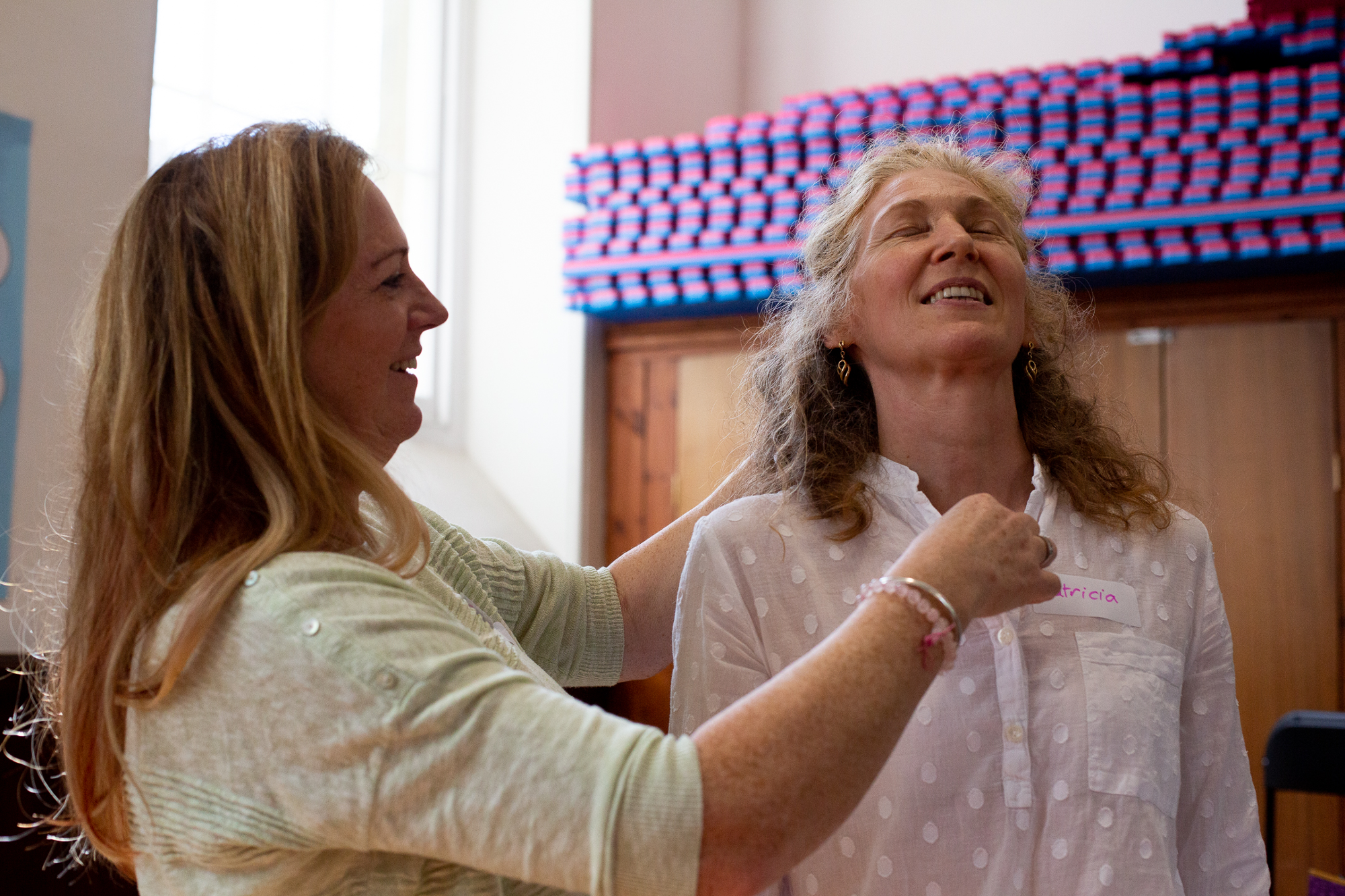
Join the next Trauma Coaching Certification cohort

If you’re already holding space for humans, you’re already meeting trauma.

You can keep tip‑toeing around it, hoping nothing big lands in your lap… or you can get the training, tools and support you need to work with it safely, ethically and powerfully.

This training will help you become a confident, ethical trauma‑aware coach or facilitator, support clients in some of their most tender places without frying yourself, and be part of a hopeful, embodied trauma paradigm the world badly needs.

APPLY FOR TRAUMA COACHING
© 2025 Embodiment Unlimited. All rights reserved.