FREE LIVE ONLINE EVENT · NOV 9-10

The Embodiment Coaching Series

Watch real somatic coaching. Understand the decisions behind the techniques - what was chosen and why.

There's no shortage of coaching questions, models or techniques. But a client can understand their problem perfectly and still be stuck. What do you do then?

Join us for six free live sessions combining coaching, demonstrations and practical teaching.

Volunteer to receive free coaching live or watch others get coached, then hear explanations of why we choose to go particular ways during coaching. Across the other sessions we’ll also explore what coaches notice, how they choose tools, when to change course and how to help clients take what they've learnt into everyday life.

For practising coaches and facilitators, and people considering becoming coaches.

What does a coach actually do when talking isn't enough?

Embodiment coaching brings bodily experience into the work alongside conversation: breath, posture, movement, sensations, and the habits that show up when somebody tries to do something different.

Imagine a client who knows they need better boundaries. They've thought about it, talked about it and worked out why saying no is difficult. Then you ask them to say “no” aloud, and their voice trails off.

What now? It could be worth asking what they noticed, trying a small experiment or simply pausing. The coach can't know what that silence means without checking with the client.

Five things you'll learn to look for

  1. When the words aren't the whole story: A client's embodiment may give you something new to explore, even when they can explain the problem well.

  2. A question worth asking: Notice the difference between spotting a change in breath or posture and checking with the client whether it matters.

  3. Why this technique, with this person? See how a coach chooses one technique over another, depending on the client and where they're trying to go.

  4. A good change of plan: Learn when it makes sense to slow down, adapt an exercise, stop or suggest another kind of help.

  5. Something to use after the session: See how a coach helps a client choose something small to try when the same problem comes up again.

Two workshop participants press their palms together as a facilitator watches

Six live sessions across two days

Join the sessions that interest you, or attend all six.

NOV 9 · MONDAY: SEEING THROUGH THE COACH'S EYES

What did you notice… and what are you assuming?

Noticing changes in embodiment – breath, posture or behaviour – without assuming what they mean.

Faculty to be confirmed

What would you do next? Be or watch others be coached

Watch Mark coach a volunteer, then explain the decisions he made and the alternatives he considered.

Mark Walsh

When understanding doesn't lead to change

Moving beyond talking and insight into using embodied tools.

Faculty to be confirmed

NOV 10 · TUESDAY: CHOOSING WHAT TO DO, AND WHY

When to pause, adapt or refer

The discernment involved when an exercise doesn't suit a client, or a situation falls outside coaching's scope.

Faculty to be confirmed

How do you know which technique fits?

Two clients may ask for confidence but need different approaches. A comparison of possible coaching decisions.

Mark Walsh

The session went well, so… what next?

Helping clients take an experience from coaching into ordinary situations through manageable, voluntary practice.

Faculty to be confirmed

How the event works

Free and online. Register once to receive the joining details by email.

Come to the sessions that suit you. There's no requirement to attend all six.

Times are shown in UK time (GMT). Check the equivalent time where you live.

REGISTER FREE

All times are UK time (GMT).

Whether you're already coaching or thinking of starting

Already working with clients?

Maybe you already know a centring or boundaries exercise, but you're not always sure when to bring it in. Or you've used embodiment for years and want to get better at responding when a session doesn't go where you expected.

See how experienced coaches decide whether an exercise fits a client and what they do if it doesn't.

Considering becoming a coach?

Before committing to training, it's worth seeing the work up close. Watch how a coach introduces an exercise and checks whether it's helping the client, including when it makes sense to try something else.

You'll get a clearer picture of the skills you could learn and the practice it takes to develop them. You don't need previous coaching experience to join.
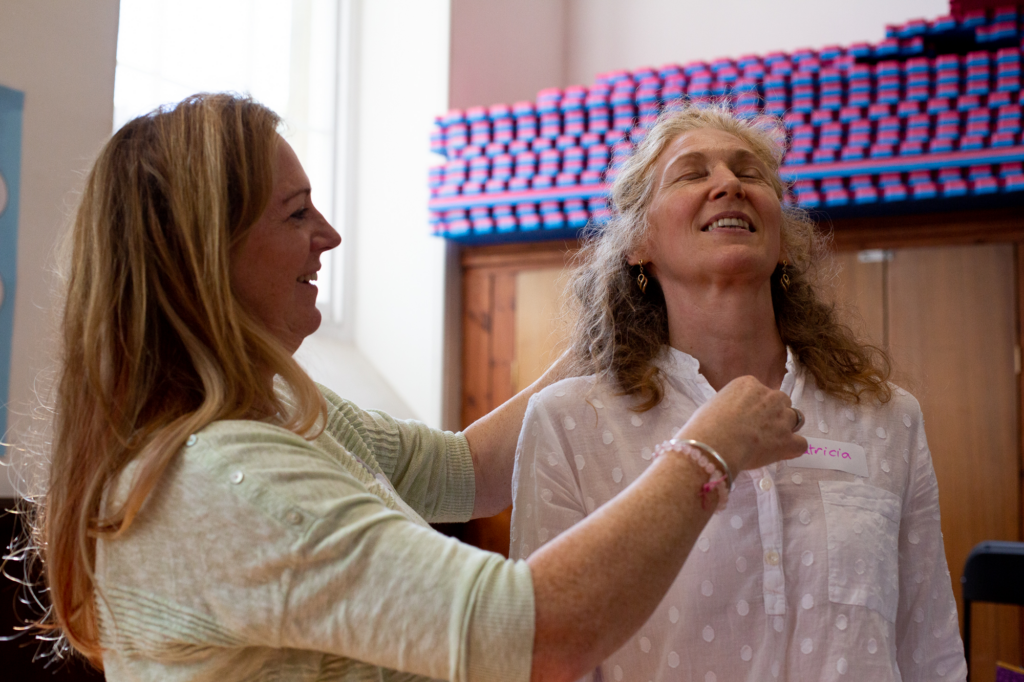

A woman with her eyes closed during a partner exercise at a workshop

Learn from Mark and the Certification of Embodiment Coaching (CEC) teaching team

Mark Walsh

Mark founded Embodiment Unlimited and wrote The Body in Coaching and Training. He has taught coaching and embodiment internationally for more than 20 years.

On Monday, Mark will coach someone live and explain his decisions afterwards. On Tuesday, he'll compare possible approaches to different client problems.

Embodiment Unlimited coaching faculty

Across the other sessions, the faculty will explore noticing, experiential work, professional boundaries and helping clients use what they've learnt.

Frequently asked questions

Do I need to have coached before?

No. The sessions are for experienced coaches and facilitators as well as people considering learning to coach.

Will I have to volunteer for coaching?

No. You can learn by watching. Any participation in live demonstrations is voluntary.

Are the different times repeats of the same session?

No. There are six different sessions, each exploring a separate part of embodiment coaching.

Will this qualify me to work as a coach?

No. You'll see the work and learn useful distinctions, but professional competence takes further training, practice and feedback.

Interested in learning to do this yourself?

Watching someone coach helps you see what good judgement looks like. Learning to make those calls yourself takes practice with people, honest feedback and time.

That's what our Certification of Embodiment Coaching (CEC) is designed for. The next programme is planned to begin in February 2027.

We'll explain the training during the event for anyone who wants to go further. You don't need to decide that now.

Come and see the coaching for yourself

Join us to watch the coaches work with real coaching problems and explain how they decide what to try.

Nov 9-10 · Live online · Free

Register for free

REGISTER FREE

Go to the registration form above.