
Certification for
Coaching Neurodivergent Clients
Coach ADHD and autistic clients safely and effectively
A 4-month live online certification for coaches working with neurodivergent people.
Learn to adapt your coaching to clients’ nervous systems and avoid pressure, shame, confusion or overload.
Starts June 18
Thursdays at 5pm UK
Live online training + recordings
You are already coaching neurodivergent clients
Some will have told you.
Some will never mention it.
And some will just look “difficult”, “avoidant”, “too much”, “brilliant but chaotic”, “stuck in their head”, or mysteriously disappear after what seemed like a perfectly decent session.
This course is about how to help all of these people.
Not as a clinician but a coach who wants the coaching to actually fit the human in front of them.
This is for coaches who already suspect the body, state and nervous system matter and want to apply that practically with neurodivergent clients.
This course is about how to support all your clients.
When standard coaching misfires
Most coaching models assume a fairly standard nervous system.
They often assume insight leads to action, goals create motivation, accountability helps, open questions create clarity and a simple next step should be, well… simple.
That’s sometimes true. But also sometimes absolutely not.
With ADHD, autistic and AuDHD clients, those same tools can sometimes create more pressure, shame, confusion, shutdown or overload.
A client who does not do the “simple” next step may not be lazy.
A client who freezes under a powerful question may not be resistant.
A client who looks fine may just be very, very good at looking fine.
Nervous systems don’t read coaching manuals.
Now, standard coaching isn’t bad, but it’s not always adapted enough. Better, kinder coaching is not necessarily softer. It’s more accurate and better adapted.

Not diagnosis. Not therapy. Actual coaching.
This course is not about diagnosing clients or treating autism, ADHD, trauma, burnout, chronic illness or anything else.
We’re not pretending to be clinicians.
But it’s also not about generic neurodiversity awareness. That’s useful but often leaves coaches thinking:
“Fine. I should be more inclusive. But what do I actually do differently when my client has shut down, derailed, over-explained, vanished, or agreed to a plan we both know will never happen?”
This course is about the actual coaching.
Session structure. Questions. Language. Pacing. State. Accountability. Masking. Scope. But it’ll also be fun – we’ll throw some jokes in.
The question is not, “What label does this client have?” It is, “What does this nervous system need in order to think, choose, act, recover and stay in relationship?”
Who this is for
This is for coaches who have a client who:
- Is bright, understands everything but still does not change
- Says yes, then disappears
- Finds goals and accountability weirdly stressful
- Seems capable, but is secretly held together with masking, caffeine and terror
That may be you if you notice clients who:
- Overthink brilliantly but struggle to act
- Vanish, freeze or go quiet
- Get overloaded by ambiguity, language or pressure
- Find “simple” next steps mysteriously impossible
- Seem resistant, but not in the usual way
- Are diagnosed, self-diagnosed, late-diagnosed, wondering, or never mention neurodivergence at all
It’s also for those who want to coach ADHD, autistic and AuDHD clients with more skill, clarity and less guesswork.
If you coach adults or are a practitioner or therapist, this has probably already come up, or will sooner or later.
And if you are neurodivergent yourself, you’re very welcome. Just note that this is a professional certification, not a personal support group.
However, if you’re seeking diagnoses, therapy, parenting support, school training or clinical qualification, this is not for you.
It’s also not a certificate to diagnose or “fix” autism, ADHD or AuDHD.
Finally, if you’re easily offended or don’t like humour related to the topic, it’s probably best you stay away. I have ADHD and will make bad jokes about myself.
What changes in your coaching
You’ll:
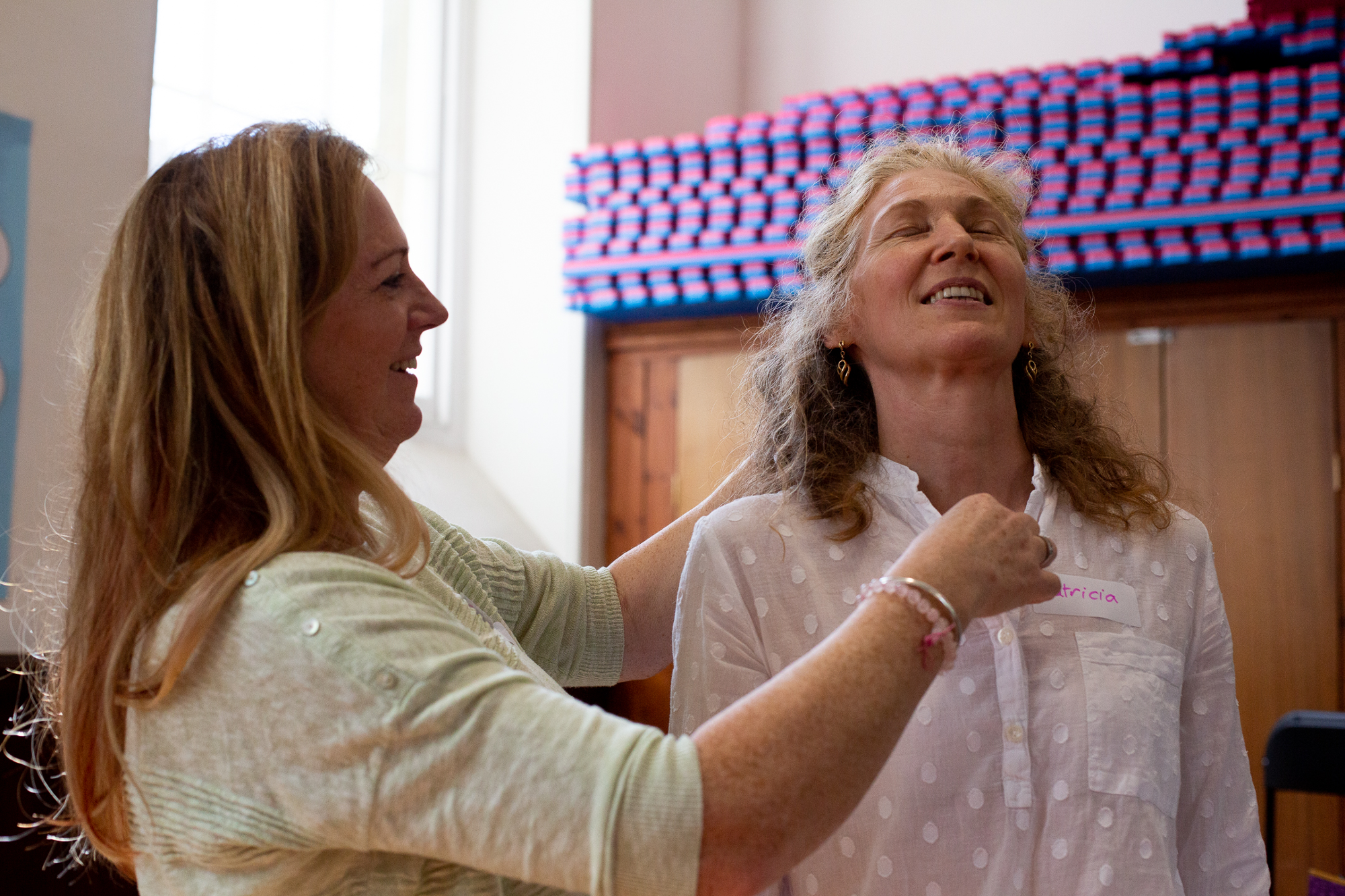
- Learn to spot when “resistance” may actually be overload, shame, masking, shutdown or executive-function strain
- Work with state before strategy, adapt questions and language, rethink goals and accountability, design sessions with more structure and flexibility, and use embodiment without making it weird
- Learn to stay in scope as a coach, including when referral or therapeutic support may be needed
- Work more intelligently with AuDHD complexity, where ADHD and autistic patterns interact
Accountability is not helpful if it mostly adds shame.
A beautiful question is not beautiful if the client cannot process it.
A plan the client cannot carry is mostly decorative.
Two maps you’ll use immediately
The free training introduced two simple maps. This certification on Coaching Neurodivergent Clients develops them properly.
State - Interest - Step
Especially useful in ADHD coaching, where follow-through can be less about discipline and more about state, interest and step size.
Before assuming a client needs more pressure or accountability, ask:
State: what nervous-system or embodied state are they in?
Interest: is there enough interest, aliveness or meaning?
Step: is the next step actually small and clear enough?
This helps coaches work with attention, pressure, shame and action more intelligently.
Load - Mask - Clarity
Especially useful in autism coaching, where load, masking and clarity often matter more than deeper questions.
Before assuming a client is resistant, unavailable or overthinking, ask:
Load: what sensory, cognitive or emotional load is present?
Mask: what is being hidden, performed or held together?
Clarity: what would make this easier to understand, predict or process?
This helps coaches adapt language, pacing, structure and safety.
Now these are not formulas that solve everything. Humans are still human.
But they do give you somewhere useful to look.
Ready to go deeper?
Coaching Neurodivergent Clients starts June 18.
How we’ll approach neurodivergent coaching
The course brings together three strands:
Neurodiversity-affirming
We won’t be “fixing” people, pathologising differences or pretending everything is a superpower (although some aspects can be).
Instead you’ll learn to coach in a way that respects the person in front of you by understanding differences, contexts and capacities.
Nervous-system-informed
Neurodivergence affects state, load, stress, recovery, capacity, emotion, attention and behaviour. It’s not just about thinking.
We look at what coaching can usefully do when a client is overwhelmed, under-stimulated, over-stimulated, masking, shutting down, hyperfocused, scattered, ashamed, burnt out or trying very hard to look fine.
Sometimes we simply need fewer words. Shocking!
Embodied
The body is not a metaphor here.
State shows up in breath, posture, movement, tone, attention, pace, stillness, fidgeting, collapse and effort.
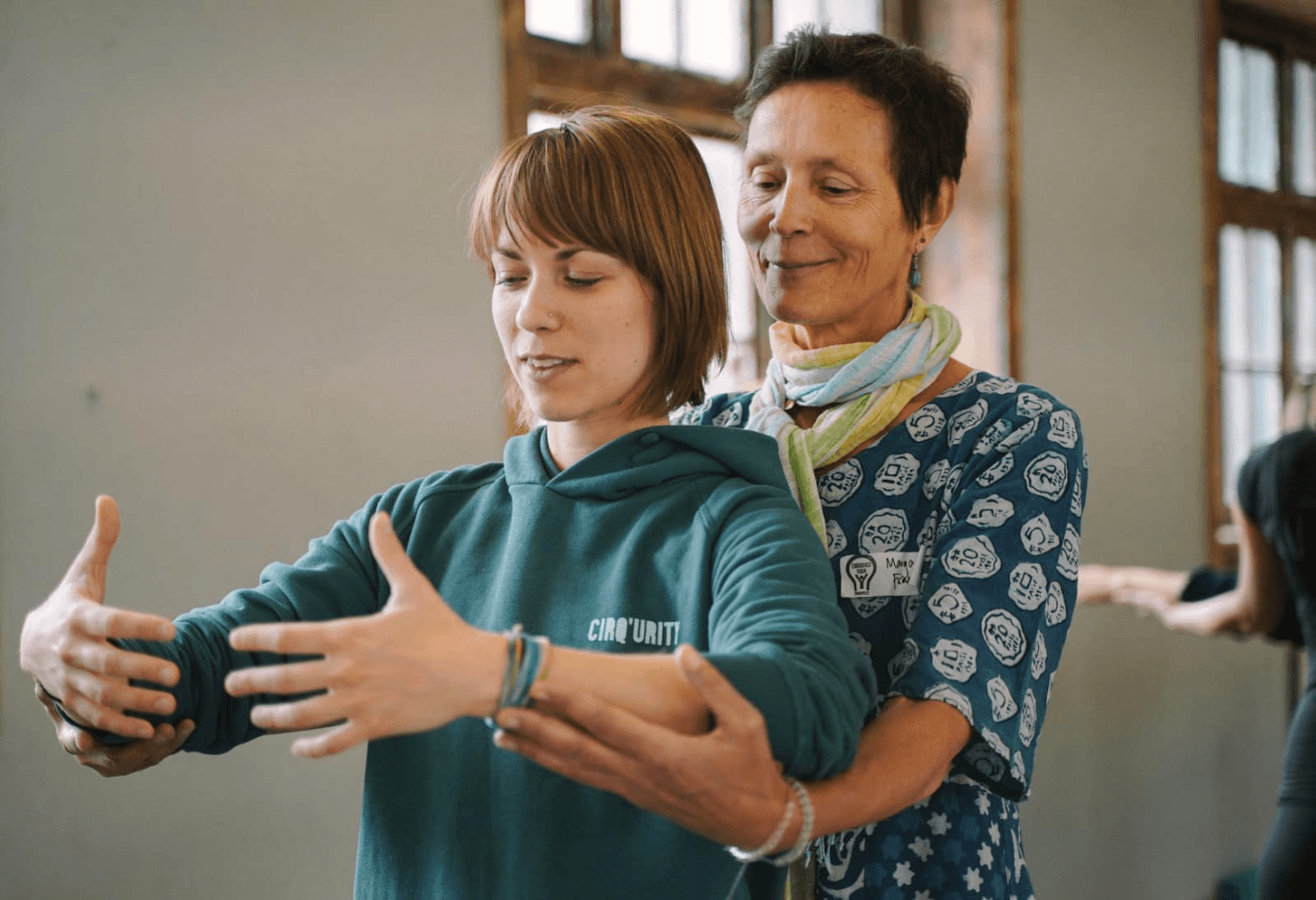
You’ll learn to use embodied awareness, regulation, co-regulation and pacing in ways that are practical, respectful and in scope.
There’s no weird guru nonsense required.
Curriculum
The course runs over 12 live teaching sessions.
It moves from understanding neurodivergent nervous systems to adapting real coaching sessions.
1. Foundations
Week 1: Beyond Disorder
Neurodiversity through medical, social, nervous-system and coaching lenses.
Takeaway: Look at the approach before you look at the person.
Week 2: The Neurodivergent Nervous System
Regulation, attention, processing, executive function and environmental response.
This is where “the body is involved” stops being a slogan.
Takeaway: Work with the nervous system, not against it.
Week 3: Sensory Processing, Stress and Burnout
Overload, chronic stress, autistic burnout, sensory environments and coaching capacity.
Takeaway: What looks like resistance is often overwhelm.
2. Lived Experience
Week 4: Monotropism, Attention and Interest
Monotropism, hyperfocus, task-switching, ADHD motivation and interest-based attention.
Takeaway: Follow the client’s attention, don’t fight it.
Week 5: Safety, Uncertainty and Processing Differences
Predictability, clarity, ambiguity, processing speed and cognitive load.
Takeaway: Clarity creates safety.
Week 6: Masking, Identity and Emotional Regulation
Masking, shame, late diagnosis, self-trust, emotional regulation and the exhaustion of looking fine.
Takeaway: Don’t coach the mask – coach the person underneath it.
August practice and integration break
After the first six sessions, we pause active learning over August.
This gives you time to digest, rewatch, practise and notice your own clients differently.
We expect to include one or two extra practice / case clinic sessions during or around this period. Details will be confirmed before the course begins.
3. Coaching in Practice
Week 7: Nervous-System States in Coaching
Shutdown, overwhelm, hyperfocus, dysregulation and state shifts inside real coaching sessions.
Takeaway: State shapes everything.
Week 8: Language, Communication and Cognitive Load
How questions, pacing and word count affect processing and regulation.
Takeaway: If it’s hard to process, it won’t land.
Week 9: Goals, Motivation and Accountability
Executive function, task initiation, capacity, flexible structures and interest-based motivation.
This is where we annoy standard coaching a bit.
Takeaway: Motivation follows interest, not pressure.
Week 10: Neurodivergent-Friendly Coaching Design
Session structure, pacing, sensory considerations, visual supports, predictability and flexibility.
Takeaway: Design the session for the client, not the model.
4. Complexity and Integration
Week 11: AuDHD, Trauma, Chronic Illness and Burnout
AuDHD, trauma, chronic illness, burnout and overlapping experiences – and how to stay flexible without making a mess.
Takeaway: There is no one-size-fits-all. Stay flexible.
Week 12: Sustainability, Ethics and the Practitioner
Scope, ethics, boundaries, sustainability, co-regulation, referral and the coach’s own nervous system.
Takeaway: Sustainable coaching starts with a regulated coach.
What you get
12 live teaching sessions
Weekly live online sessions with Mark and/or Helen.
Thursdays at 5pm UK, starting June 18.
Recordings
Recordings are included so missing a live session does not mean missing the course.
Practical coaching adaptations
Session structure, language, pacing, questions, goals, accountability, sensory load, cognitive load and nervous-system state.
Nervous-system practices
Simple embodied practices and regulation tools that support coaching without turning the work into therapy.
Demos and discussion
Real coaching examples, demos where useful, and discussion to make the material applicable.
Not just “here is another framework, good luck”.
Practice sessions
We expect to include one or two extra practice / case clinic sessions for integration, questions and real-world application.
Exact dates and format TBC.
Why Mark and Helen
This course works because Mark and Helen are not bringing the same thing.
Helen brings clinical grounding, neurodiversity experience, autism, load, masking, burnout and scope.
Mark brings embodiment, state work, coach training, ADHD lived experience, bad jokes and mild chaos.

Mark Walsh
Mark Walsh is the founder of Embodiment Unlimited, host of The Embodiment Coaching Podcast, and a long-time trainer of coaches, facilitators and embodiment practitioners.
He teaches practical embodiment, centring, state work and coach training internationally.
For this course, Mark brings the ADHD side with lived experience, coaching experience and a certain amount of squirrel-related self-recognition.
He is a high-performing coach and trainer with ADHD who has coached ADHD clients and learned the hard way that “just make a plan” is not always the breakthrough people think it is.
Mark’s focus will be ADHD, state, attention, interest, follow-through, embodiment and what actually helps when someone’s brain is a box of frogs.

Dr. Helen Machen-Pearce
Dr Helen Machen-Pearce is a former NHS consultant psychiatrist with 25 years’ medical experience.
She now works at the intersection of nervous-system education, embodiment, resilience, overwhelm, burnout, persistent health issues and practical support.
Helen brings clinical depth, neurodiversity-informed experience and careful understanding of complexity, scope and safety.
For this course, Helen’s focus will be autism, sensory and cognitive load, masking, shutdown, burnout, clarity, safety and ethical practice.
Helen brings the depth, care and clinical grounding. Mark brings ADHD chaos with a framework. This is why the combination works.
Money-back trial
This will help you to safely and effectively coach neurodivergent clients.
If you come live to the first session and it’s clearly not your thing, email us before the second session for a refund.
You should know by the end of session one whether this is the kind of practical map you want.
Coaching Neurodivergent Clients
Join the Certification
Starts June 18, live Thursdays at 5pm UK.
You’ll get:
- A practical framework for coaching ADHD, autistic and AuDHD adults
- 12 live teaching sessions
- Recordings to catch up or review
- Demos and nervous-system practices
- Mark and Helen’s combined weirdly-useful brain trust
Normal price
$1,500
Launch price with promo code: CNC
$990
Not sure it’s for you? Email Virginia on support@embodimentunlimited.com and she’ll discuss honestly.
FAQ
Who is this course for?
Coaches and related practitioners working with adults.
That includes coaches, embodiment practitioners, trauma-informed practitioners, therapists who also coach, facilitators, mentors, somatic practitioners and CEC/MEC/UHC students or graduates.
Neurodivergent coaches are very welcome.
It is still professional certification, not a personal support group.
Who is it not for?
It is not mainly for diagnosis seekers, personal therapy, parenting support, children’s work, school/SEN training or clinical qualification.
It is also not for people who want to fix neurodivergent clients.
Please no.
Will this certify me to diagnose ADHD, autism or AuDHD?
No.
Coaches do not become diagnosticians by taking a coaching course.
This is not a diagnostic, clinical or medical qualification.
If we issue a certificate of completion, it will confirm attendance or completion only.
How does the certification work?
In order to certify you’ll need:
- 80% live attendance – or by special agreement and arrangement with the course manager (for those in different timezones, for example)
- Weekly form to be completed (short)
- Review of session if missed to be submitted on the weekly form
- Two written assignments during the course and one final written assignment
I already coach ADHD or autistic clients. Is this too basic?
Probably not.
This is not awareness training.
It goes into coaching practice: session structure, language, state, load, masking, shutdown, attention, interest, motivation, accountability, AuDHD complexity, ethics and scope.
If you already work with neurodivergent clients, you may get more from it because you’ll have real cases to connect it to.
Is this therapy training?
No.
This is professional development for coaches and helping professionals.
It is not therapy training, diagnostic training, clinical treatment or a licence to diagnose.
The course helps you adapt coaching to neurodivergent nervous systems while staying in scope.
I’m new to this. Will I be lost?
No.
We start with foundations, then move into lived experience, coaching practice, complexity and integration.
You do not need to be a neurodivergence specialist.
You do need to be willing to learn, adapt and stay in scope.
Will recordings be available, and do I need to attend live?
Recordings are included for course participants.
Live is recommended if you can. You’ll get the interaction, examples, questions and the full Mark/Helen dynamic.
But if you miss a session because life, time zones or executive function happens, you can catch up.
What happens during the August teaching break?
After the first six sessions, we pause teaching over August.
This gives you time to digest, rewatch, practise and notice your own clients differently.
We expect to include one or two optional extra practice / case clinic sessions during or around this period. Details will be confirmed before the course begins.
How practical is the course?
Very.
The course includes teaching, examples, demos where useful, practical coaching adaptations, embodied/nervous-system practices, discussion and expected practice / case clinic sessions.
There may be reflection, practice or application suggestions, but not performative homework for the sake of it.
The aim is not to make you sound clever about neurodiversity.
The aim is to help you coach better.
How do refunds work?
Come live to the first session.
If it’s clearly not your thing, email us before the second session and we’ll refund you.
No weird guilt ritual required.
Is this a certification that'll allow me to work with the body?
No.
For a broader embodiment coaching certification you may like our flagship course, the Certification of Embodiment Coaching (CEC).
Ready to join?
Coaching Neurodivergent Clients starts June 18.
Early bird is $890 until June 12.
Try the first session. If it’s clearly not your thing, email us before the second session and we’ll refund you.